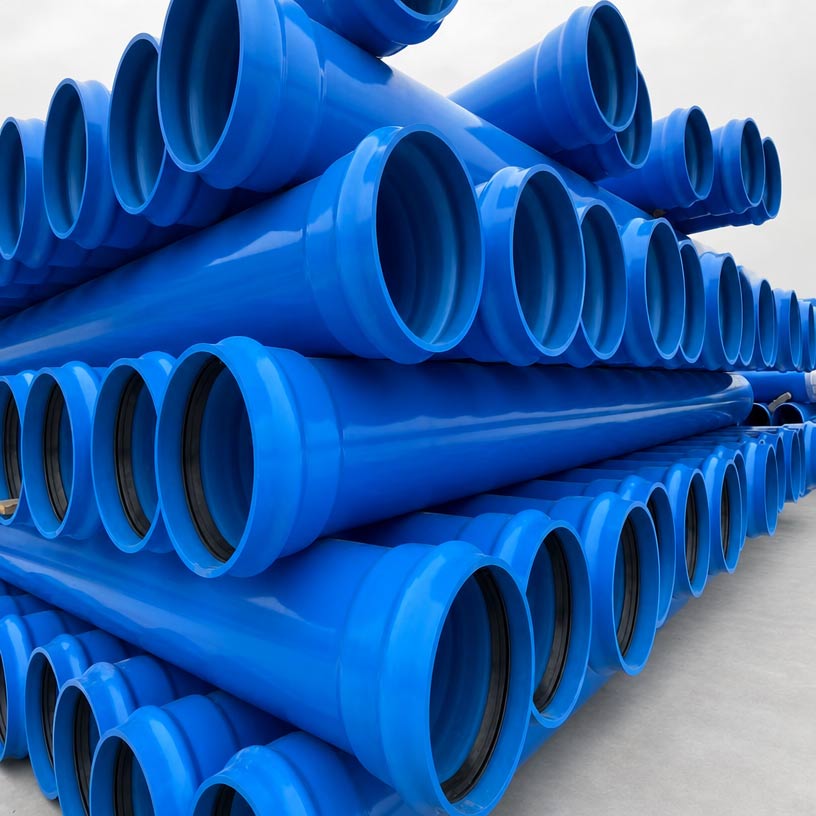
The reliability of district heating systems is often compromised by joint failures, with approximately 80% of these issues occurring at the joints. Understanding the reasons behind these failures is crucial for purchasing managers, engineers, and contractors focused on optimizing their district heating projects. This article explores why these failures happen and how solutions like electro fusion sleeve and heat shrink technologies can enhance joint reliability. We will also discuss cost considerations, installation best practices, and common issues within district heating systems, providing a comprehensive guide for professionals seeking durable and effective solutions.
Joint failures in district heating pipe systems can occur due to several factors, including material degradation, improper installation, and thermal expansion. The most prevalent cause is the use of incompatible materials or poor-quality components that cannot withstand the operating conditions, such as temperature fluctuations or pressure changes. For instance, polymer pipes, while lightweight and corrosion-resistant, need to be paired with compatible jointing techniques to ensure long-term performance.
Another critical factor is installation errors. Incorrect alignment and inadequate heating during the jointing process can lead to weak connections, increasing the likelihood of leaks or ruptures. Additionally, environmental factors, such as soil movement or ground subsidence, can place undue stress on the joints, further exacerbating the risk of failure.
Understanding these causes allows purchasing managers to specify high-quality joint solutions and ensure that installation practices are meticulously followed.
Electrofusion sleeve joints provide a robust solution for enhancing joint reliability in district heating systems. This method involves the use of a specially designed sleeve that contains internal heating elements. When an electric current passes through the sleeve, it melts the pipe and sleeve materials, creating a strong bond upon cooling. This technique results in a joint that is typically stronger than the pipe itself.
One of the key advantages of electro fusion is its ability to accommodate slight variations in alignment and diameter, which are common in field installations. This flexibility reduces the risk of installation errors and contributes to the overall integrity of the system. Additionally, electro fusion joints are less susceptible to environmental influences, providing a more reliable connection over time.
For projects with stringent performance requirements, it is essential to verify the compatibility of the electro fusion sleeves with the specific pipe materials being used. Quality assurance measures, such as testing samples before large-scale installation, can prevent future failures.
When sourcing joint solutions for district heating pipeworki, several cost factors should be considered to ensure a balance between quality and budget constraints. The initial cost of materials, including electro fusion sleeves and heat shrink fittings, is only part of the total expenditure. Installation costs, which can vary significantly based on labor rates and the complexity of the installation, also impact the overall budget.
Moreover, long-term costs associated with maintenance and potential failures must not be overlooked. Investing in higher-quality joint solutions may incur a higher upfront cost but can lead to significant savings in repairs, downtime, and water loss in the long run.
Buyers should also consider the lead time for procurement, especially when custom solutions are required. Delays in sourcing can lead to project overruns, which translate to additional costs. Engaging with a reliable manufacturer that offers both competitive pricing and timely delivery is crucial for successful project execution.
Proper installation is paramount to the success of electro fusion and heat shrink joints. For electro fusion joints, it is essential to ensure that the surfaces of the pipes are clean and free from contaminants before starting the fusion process. Any debris, moisture, or dirt can compromise the quality of the joint. Additionally, maintaining the correct temperature during the fusion process is critical; too low can lead to weak bonds, while too high can cause material degradation.
For heat shrink joints, the installation area should be adequately prepared, with attention paid to the environmental conditions. The heat shrink tubing should be evenly heated to ensure that it contracts uniformly around the pipes, forming a tight seal. Using calibrated heating equipment and following the manufacturer’s guidelines for temperature and duration is essential to achieve optimal results.
Finally, thorough inspection of the joints after installation is recommended. Checking for uniformity in shrinkage and any visible signs of misalignment can prevent future operational issues. Establishing standard operating procedures and training installation teams on best practices can further enhance joint reliability in the field.
District heating systems can encounter a variety of problems, many of which stem from joint failures. Aside from the issues already discussed, common problems include pressure drops, which can indicate leaks, and thermal losses due to inadequate insulation at joints. These problems can lead to increased operational costs and reduced system efficiency.
Implementing proactive measures can help mitigate these issues. Regular maintenance checks, including pressure testing and thermal imaging, can identify potential failures before they escalate. Additionally, utilizing advanced materials and technologies, such as insulated and anti-corrosion pipes manufactured by Henan Sanjie Pipe Mart Co., Ltd., can significantly enhance the durability and efficiency of heating radiator systems.
When sourcing components, buyers should prioritize suppliers that offer comprehensive warranties and after-sales support, as these features can be indicative of product reliability and manufacturer commitment to quality. By addressing these common problems with effective, reliable solutions, purchasing managers can ensure the long-term success of their district heating projects.
 Hot News

Sanjie specialized in developing and manufacturing pipeline system, the main products contain pre-insulated pipes, HDPE pipes, pipe fittings, insulation materials ect. offering customization technology support and product solutions.
No.02 Jianye Road, Luoyang Airport Industrial Agglomeration Area,Henan,China
Copyright © Henan Sanjie Pipe Mart Co., Ltd. All Rights Reserved Privacy Policy
 EN