High Density Polyethylene Pipes for Efficient Systems

All Categories

hdpe high density polyethylene pipes

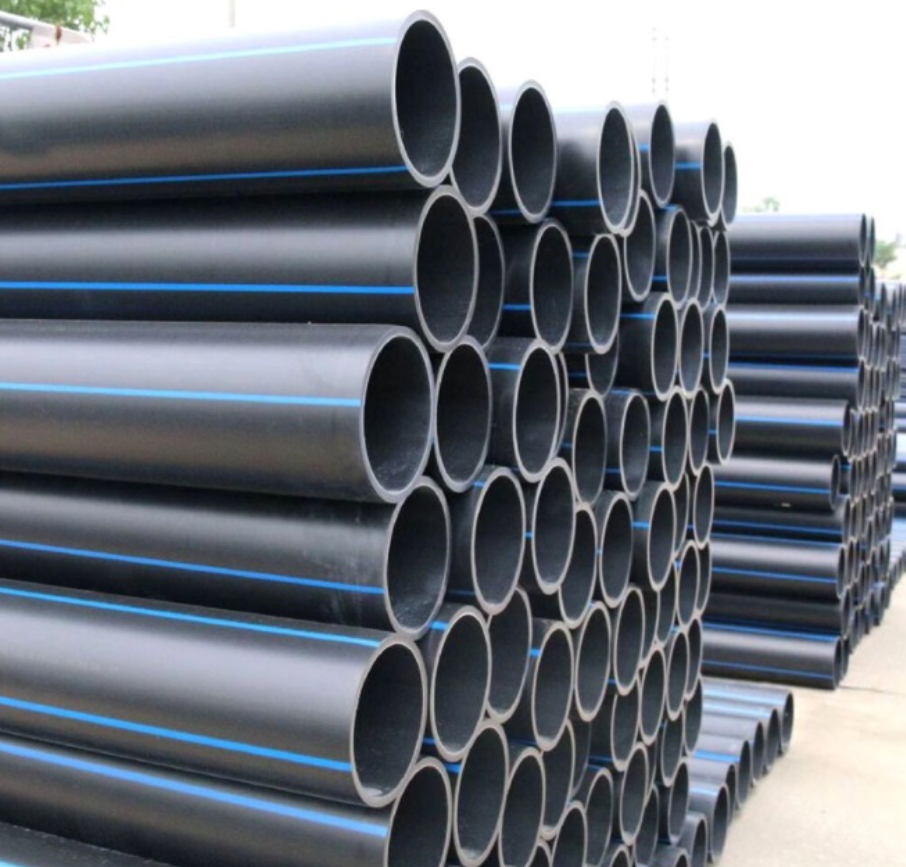
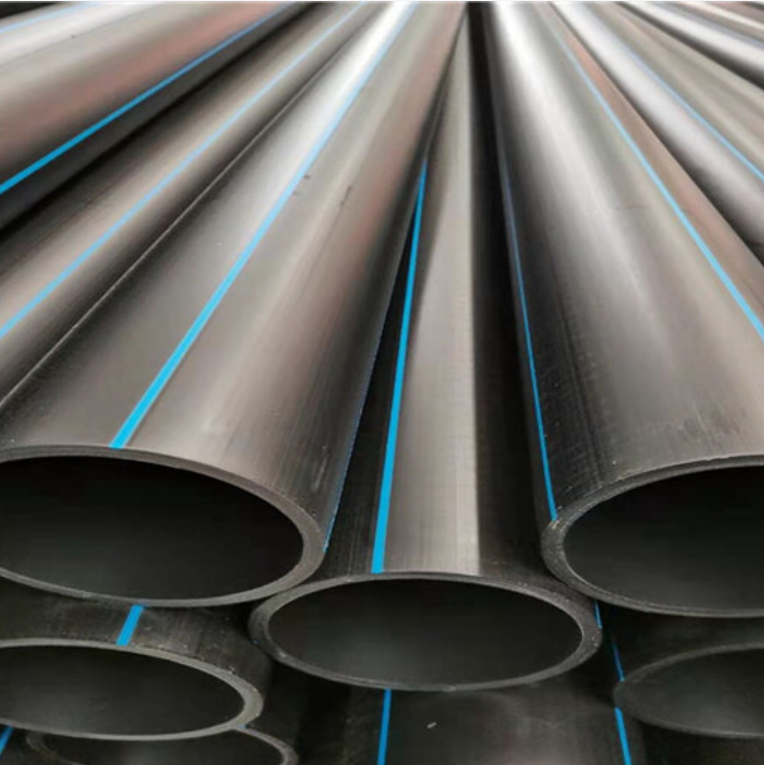
HDPE high-density polyethylene  pipes are becoming very popular in many industries. These pipes are made  from a special type of plastic called high-density polyethylene. They are used for  carrying water, gas, and other materials. SANJIE is a brand that focuses on making high-quality HDPE pipes. These  pipes stand out because they are strong, lightweight, and resistant to chemicals. They last a long time and can be used in many places, from homes to big factories. People like using HDPE pipes because they help save money and resources.  When  choosing pipes for your projects, it’s important to understand what makes HDPE pipes special.

Wholesale  buyers find many good  reasons to choose  HDPE pipes from SANJIE. First, these pipes are very durable. They can handle extreme temperatures and heavy pressure without breaking. This means  less chance of leaks or  breaks, which can cost a lot to fix.  Second, HDPE pipes are lightweight, making them easier to transport and install. This saves time and reduces labor costs, which is great for businesses. Third,  they resist corrosion and chemical damage, so they can be used in places where other pipes might fail. For  example, if you are carrying chemicals,  HDPE pipes won’t get damaged easily. Another important benefit is that these pipes are eco-friendly. They can be recycled, which helps reduce waste. This is good for the planet and can also make a company look better to customers who care about the environment. Additionally, HDPE pipes have a smooth surface, which means  liquids flow easily  through them. This helps improve efficiency in systems that depend on water or other fluids. Lastly, SANJIE  offers  a range of sizes and types of HDPE pipes, including Rock Wool Board, so wholesale buyers can find exactly what they need for their projects.  All these benefits make HDPE pipes an excellent choice for anyone looking to buy pipes in bulk.

What Makes HDPE Pipes Ideal for Water and Wastewater Management?

Choosing the right HDPE pipes for your  needs can seem tricky, but it doesn’t have to be. Start by thinking about what you need the pipes for. Are  you using  them for water, gas, or something else? Knowing this will help  you pick the right  type. Next, consider the size of the pipes. Different projects  require different sizes, so measure your needs carefully.  It’s also important to think about the pressure the pipes will need to handle. The  higher the pressure, the stronger the pipes need to be. Another factor to consider is the environment where the  pipes will be used. Will they be buried underground or exposed to sunlight?  HDPE pipes can handle sunlight well, but if they will be underground, ensure they are suitable for that environment. You should also check for certifications and quality standards. SANJIE pipes meet high standards, so you can trust their quality. Lastly, don’t forget to think about your budget. While HDPE pipes can be an investment, they save  money in  the long run because they last  longer and need less maintenance.  By considering all these factors, including options like XPS Board, you can choose the best HDPE pipes for your wholesale needs.

HDPE pipes, made from high-density  polyethylene, are very strong and reliable. They are better than many other types of pipes,  like those made from PVC or metal. One reason is that HDPE pipes can handle  a lot of pressure without breaking. This makes them great  for carrying water and other  liquids. They are also flexible, which means they can bend without cracking. This is important when the ground shifts or moves. If we use pipes that are too stiff, they might break, but  HDPE pipes can adjust better to changes.

Frequently Asked Questions

What are HDPE pipes used for?

HDPE high density polyethylene pipes are used for municipal water, gas distribution, sewage, mining, irrigation, and industrial chemical conveyance due to flexibility, corrosion resistance, and long service life.
We offer a wide range of diameters and pressure classes; sizes and ratings are customizable to project specifications. Contact us with system requirements for detailed options.
Yes. Our HDPE pipes and systems carry ISO and CE certifications, meeting international quality and safety standards for infrastructure and industrial projects.
Yes. We deliver tailored designs, fittings, and smart pipeline integrations for municipal, energy, mining, chemical, and other infrastructure needs.
We provide technical guidance, installation manuals, welding and jointing support, and maintenance recommendations to ensure reliable, long-term pipeline performance.

Get a Free Quote

Our representative will contact you soon.
Email
Name
Mobile
Company Name
Requirements
0/1000

Related product categories

How to Choose the Right HDPE Pipe for Your Project Needs

The  quality of HDPE pipes is also seen in  how easy they are to install. They are lightweight, which means workers can carry them easily to the  job  site.  This  can  save time and money. Moreover, the  connections for HDPE pipes are usually done with  heat fusion, which creates  strong joints  that do not leak. This makes  HDPE pipes a smart choice  for many  projects. At SANJIE, we believe that using high-quality materials like  HDPE can lead to  better results  in  building  and  construction.

Solutions and Best Practices

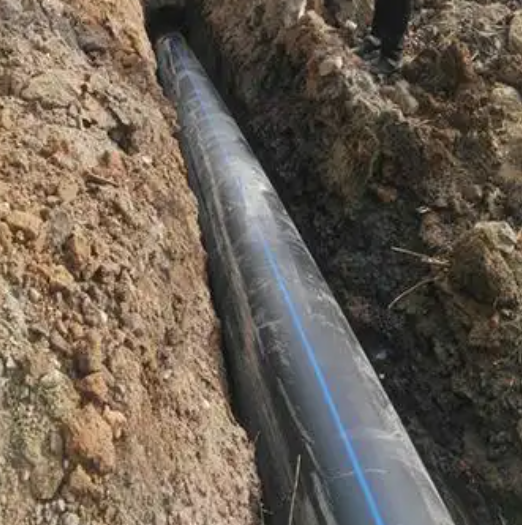
To  make  sure HDPE pipes last a long  time, it is important  to follow some best  practices during installation and  maintenance. First, when you are installing HDPE pipes, they should be placed in a  good location.  This means avoiding places where heavy vehicles  will drive  over them or where the soil  is very  unstable.  If the ground  under the pipes  is not  solid, it  can cause the  pipes  to  bend or break over time.

How HDPE Pipes Stand Out Against Traditional Pipe Materials

Regular maintenance is also key to keeping HDPE pipes in good shape. This  means  checking  them regularly  for signs of damage,  like cracks  or  leaks.  If you  find any  issues, it’s important  to  fix them  as soon as possible.  This can prevent  small problems  from  becoming bigger ones. Also,  keeping the  area around the pipes clear  of debris can help prevent damage from happening.

Get a Free Quote

Our representative will contact you soon.
Email
Name
Mobile
Company Name
Requirements
0/1000