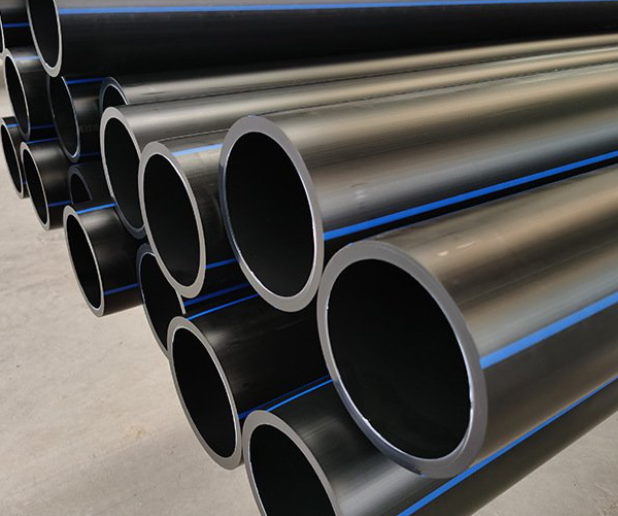
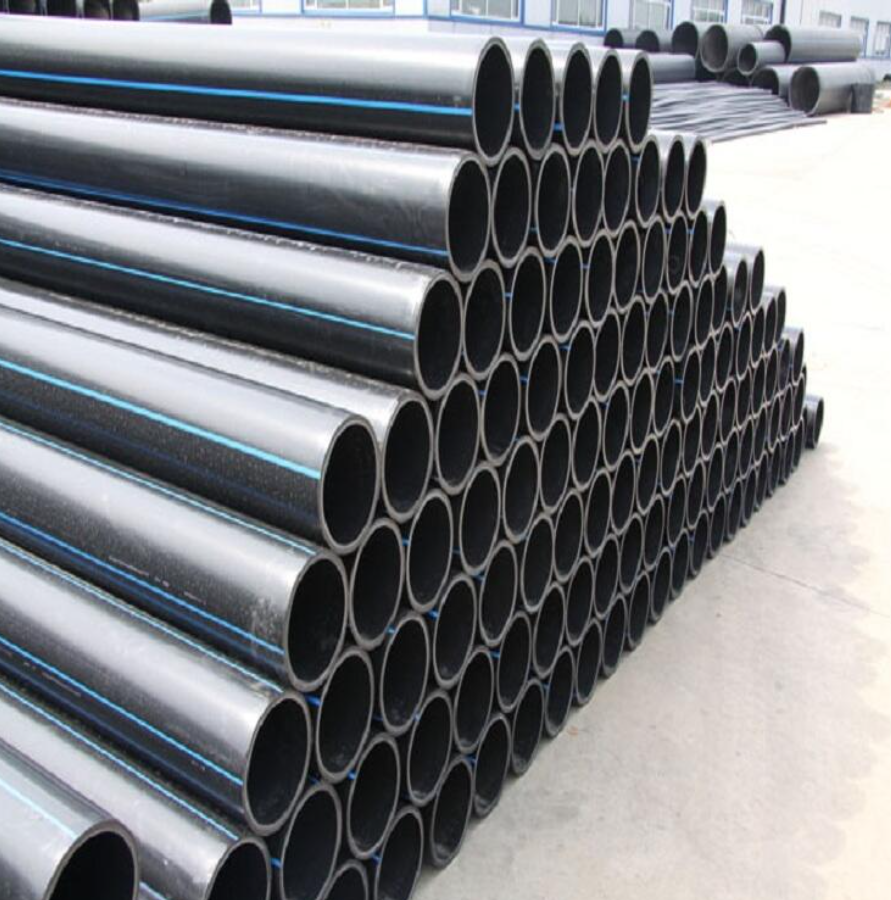
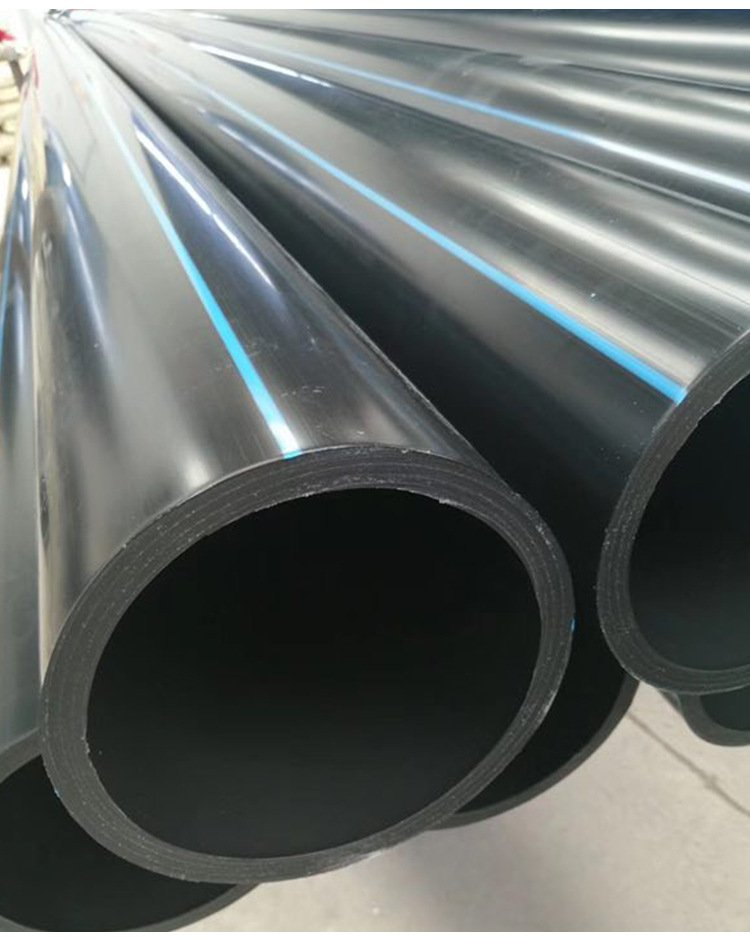
HDPE Drainage Pipe for Sustainable Construction

All Categories

hdpe drainage pipe

HDPE  drainage pipes are important for many construction  projects. They  help move  water away from buildings and roads, keeping areas  dry and safe. These  pipes are made from  High-Density Polyethylene, which  makes  them strong and durable.  SANJIE makes high-quality HDPE pipes  that customers trust. These pipes are not only long-lasting but also flexible, which means  they can  fit into different shapes  and sizes.  This flexibility helps them work well in many different places, from city streets to  rural areas. Using HDPE  drainage pipes is  a  smart  choice for builders who want reliable and efficient drainage solutions. For more options, consider our HDPE100 Straight Pipe for Water Supply.

Common Usage Issues with HDPE Drainage Pipes and How to Avoid Them

When using HDPE drainage pipes, some problems can happen if not careful. One common issue is improper installation. If the pipes are not placed correctly, they  can become blocked or damaged. It is important to ensure that the ground is  prepared well before laying the pipes. For  instance, if  the ground is too soft  or  uneven,  it  can lead to pipe failure. Another issue is using the wrong size of the pipe. If the pipes are too small, they can’t carry enough water, which can cause backups. To avoid these problems, always check the pipe size and make  sure it matches the needs of the project. It is also a good idea to follow the  installation guidelines provided by SANJIE.  People sometimes forget  to use proper fittings and seals, which can lead  to leaks. Using high-quality connectors helps keep everything tight and secure. Regular checks after installation can  catch any issues early. For example, if you notice water pooling in places it  shouldn’t, it means the system might not be working properly. Fixing  these problems right away helps prevent bigger issues later.  Lastly, keeping the pipes clean and clear of debris is important. Sometimes, leaves  or dirt can accumulate and cause blockages. Scheduling  regular maintenance can  help keep everything flowing smoothly. Additionally, for irrigation needs, you can explore our HDPE Irrigation Pipe PE100.

Frequently Asked Questions

What is HDPE drainage pipe used for?

HDPE drainage pipe is used for stormwater, sewer, agricultural drainage, and infrastructure runoff management, offering corrosion resistance and long-term durability for municipal, mining, and construction projects.
We offer a range of diameters, wall thicknesses, corrugated and smooth profiles, and customizable lengths to meet project specifications across municipal, energy, and mining applications.
Yes. Our HDPE drainage pipes are produced under ISO and CE certified systems, ensuring consistent quality, traceability, and compliance with international standards.
Yes. We design customized pipeline solutions, including material selection, fittings, and insulation or anti-corrosion options, tailored to municipal, chemical, and infrastructure requirements.
We provide technical guidance, installation recommendations, and maintenance best practices, plus on-request support for site-specific challenges to ensure system longevity and performance.

Get a Free Quote

Our representative will contact you soon.
Email
Name
Mobile
Company Name
Requirements
0/1000

Related product categories

What Makes HDPE Drainage Pipes the Best Choice for Sustainable Construction?

HDPE drainage pipes are great for  sustainable building projects. First, they  are made  from recyclable materials. This means that when they are no longer needed, they can be  reused instead of thrown away. This helps reduce waste  in landfills. SANJIE focuses on creating pipes  that not only work well but also help the environment. Another reason these pipes are a smart choice is their long lifespan. They can last for many years without needing to be replaced. This reduces the need for new materials,  which helps save natural resources. Also, HDPE pipes are resistant to  corrosion. Unlike other materials, they won’t break down when exposed to  water, soil, or  chemicals. This durability means less  maintenance and fewer repairs, which is good for both the  environment and the budget. Additionally, using HDPE  pipes can save  energy. They  are lightweight, making them easier to transport and install. This means less fuel is needed for transportation, which cuts down on pollution.  Their flexibility also allows them to adapt to different soil types  and conditions, reducing the  need for additional materials. When builders choose HDPE drainage pipes, they are making a choice that supports both  strong construction and a healthy planet. Overall, SANJIE’s commitment to quality and sustainability makes these  pipes an excellent option for anyone looking to build responsibly.

How HDPE Drainage Pipes Outperform Traditional Materials in Performance

HDPE drainage pipes are made from a special type of plastic called high-density polyethylene. These pipes are becoming very popular because they work better  than older materials  like clay or concrete. One big reason is that HDPE pipes are very strong but also light. This means they can handle  a lot of water without breaking. They are flexible, which helps them fit into different shapes and sizes of land. This  flexibility makes them  great for places where the ground moves or shifts. Unlike traditional pipes, which can crack or break, HDPE pipes can bend and twist without getting damaged. This is really important because if a pipe breaks, it can cause a lot of problems with  flooding and water damage. Another advantage  is that HDPE drainage pipes resist chemicals and  are  not affected by things like rust  or corrosion. This means  they can last a long time without needing to be replaced. SANJIE HDPE drainage pipes are designed to  be smooth inside,  which helps  water  flow quickly and easily. When water flows smoothly, it reduces the chances of blockages and keeps  everything working well. Overall, HDPE drainage pipes from SANJIE are  a smart  choice because  they are strong, flexible, and last a long time, making them better than older pipe materials.


What Factors Affect the Durability of HDPE Drainage Pipes?

The durability  of HDPE drainage pipes is affected  by several important factors. First, the quality of  the HDPE material itself plays a big role. SANJIE  uses high-quality HDPE that is made to last. If the  material is not strong enough, the pipes can  wear out faster. Another factor is how the pipes are installed. If they are put in the ground properly, they will last much longer. This means digging a good trench and making sure the pipes are laid flat without any rocks or  debris that could damage them.  Weather  conditions  can also affect how long the pipes last. For example, if the ground freezes and thaws a lot, it  can cause movement that might break weaker pipes. But SANJIE HDPE pipes are built to handle different  weather conditions, which helps them stay  durable.  The way the pipes are used is also important. If they are used in areas with heavy traffic or heavy loads, they need to be extra strong. SANJIE pipes are designed to support heavy  weights, so they are perfect for these situations. Finally, regular checks and maintenance can help keep the pipes in good  shape. If any issues are found early, they can be fixed before they  become big problems. In summary, the durability of HDPE drainage pipes depends on the quality  of the material, the installation process, the  weather, the usage conditions, and regular maintenance. SANJIE ensures that all these  factors are considered to provide durable drainage solutions.

Get a Free Quote

Our representative will contact you soon.
Email
Name
Mobile
Company Name
Requirements
0/1000