High-Quality HDPE Water Pipes for Your Needs

All Categories

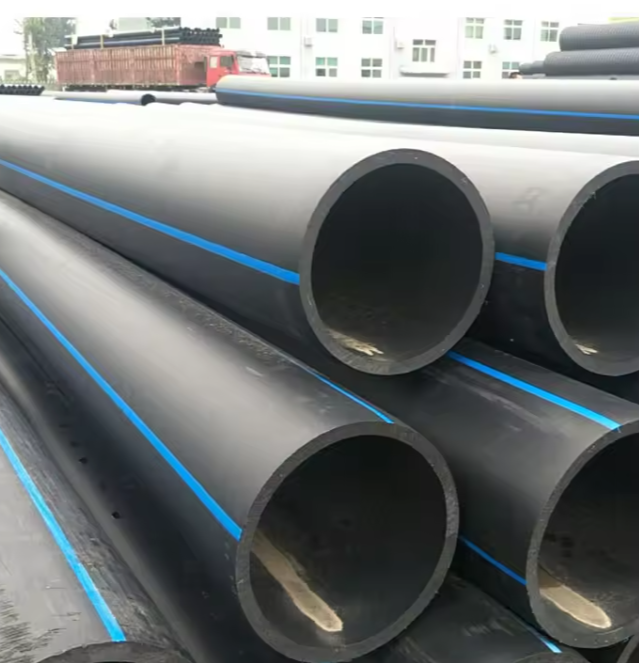
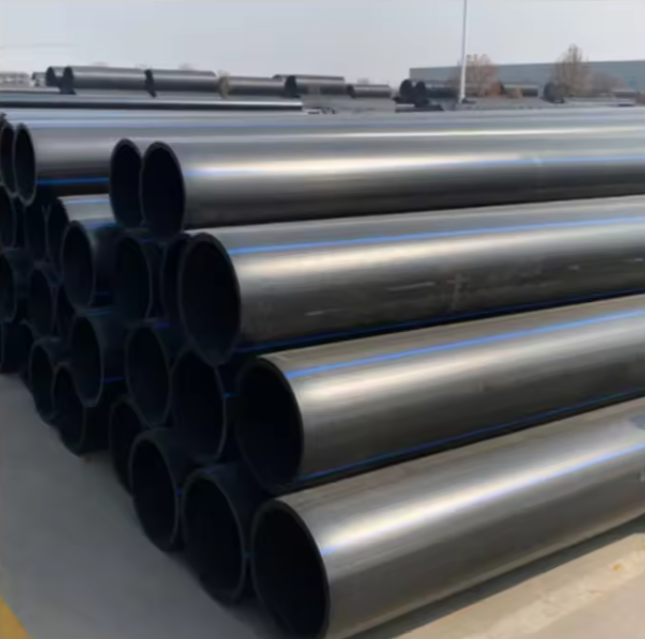
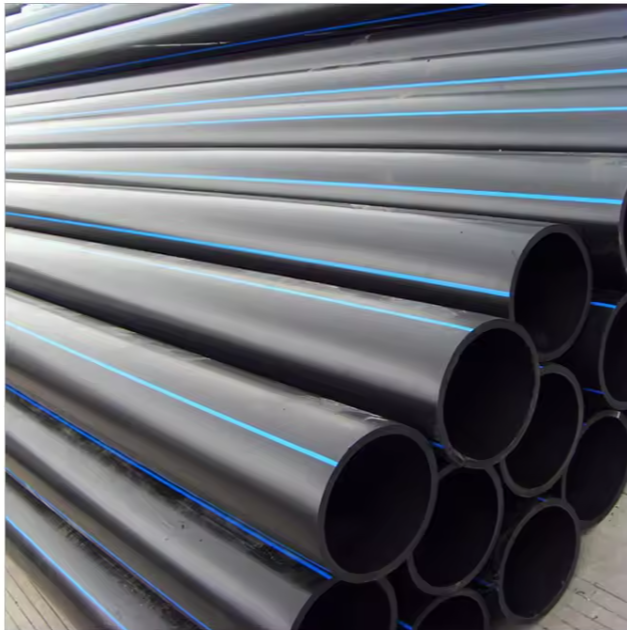
HDPE water pipe

Water is essential for life, and the pipes we use to carry it are very important. One type of pipe that many people are using today is the HDPE water pipe. HDPE stands for high-density polyethylene, which is a strong and flexible plastic. These pipes are used in many places, like homes, farms, and cities. They help to deliver clean water safely and can last a long time. At SANJIE, we make high-quality HDPE water pipes that are reliable and affordable. , we will talk about where to find these pipes and how they compare to older materials.

Finding good HDPE water pipes can be easy if you know where to look. One great place to start is by contacting manufacturers directly. Companies like SANJIE offer a variety of HDPE pipes that meet high standards. When you reach out to a manufacturer, ask them about their products, prices, and delivery options. It's also smart to check if they have any special deals or discounts. Sometimes, buying in bulk can save you money. Another option is to visit local home improvement stores or plumbing supply shops. They might have HDPE pipes in stock. However, be sure to compare prices. Online marketplaces can also be a good choice. Websites that sell construction supplies may have a wide selection of HDPE pipes. When choosing a supplier, look for reviews from other customers. This helps ensure you’re getting good quality. You might want to consider the pipe’s size and thickness, too. The right pipe will depend on your specific needs, like the amount of water you need to carry. Always ask questions if you are unsure. A knowledgeable supplier can guide you in finding the right HDPE pipe for your project.

Where to Source High-Quality HDPE Water Pipes at Competitive Prices

HDPE water pipes have many advantages when compared to traditional materials, like metal or clay. First, HDPE pipes are lighter. This makes them easier to handle and install. You can carry them without much effort, which saves time and energy. They are also flexible, which helps them bend around obstacles without breaking. In contrast, metal pipes can rust and corrode over time. This can lead to leaks and water contamination. HDPE pipes do not rust, so they keep water clean and safe. Furthermore, the use of pre-insulated pipes can enhance the efficiency of your water supply system.

Another great thing about HDPE pipes is their resistance to chemicals. They can handle different substances without breaking down. This is especially important if the water has any dangerous chemicals. Traditional materials may not last as long when exposed to these substances. HDPE pipes can last for decades, saving you money on repairs and replacements.

Frequently Asked Questions

What applications suit HDPE water pipe?

HDPE water pipe is ideal for municipal water supply, irrigation, mining water management, industrial process water, and infrastructure projects requiring corrosion resistance and long service life.
Our HDPE water pipes are manufactured under ISO and CE certified systems, ensuring compliance with international quality and safety standards.
Yes. We offer customized diameters, wall thicknesses, fittings, and insulated or anti-corrosion options tailored to project needs across energy, chemical, and municipal sectors.
Common methods include butt fusion, electrofusion, mechanical joints, and compression fittings. We recommend method selection based on pipe size, site conditions, and project specifications.
We provide product warranties, technical guidance, and global after-sales support, including installation assistance and smart pipeline technology services for monitoring and maintenance.

Get a Free Quote

Our representative will contact you soon.
Email
Name
Mobile
Company Name
Requirements
0/1000

Related product categories

How HDPE Water Pipes Compare to Traditional Materials for Water Supply

Lastly, HDPE pipes are more environmentally friendly. They are made from recyclable material and can be reused in the future. By choosing HDPE, you help reduce waste. SANJIE is proud to provide these pipes that benefit both people and the planet. Overall, HDPE water pipes offer many benefits over traditional materials, making them a smart choice for water supply systems.

What Factors Affect the Durability of HDPE Water Pipes?

HDPE, or High-Density Polyethylene, is a tough material used to make water pipes. Many things can affect how long these pipes last. One main factor is the quality of the HDPE itself. If the HDPE is made well, it can resist cracks and breaks. This is why it is important to choose pipes from trusted companies like SANJIE. Another factor is how the pipes are used. If the pipes carry very hot water, they may not last as long as pipes that carry cold water. Pressure is also important. If the water pressure is too high, it can cause the pipes to wear out faster. The soil where the pipes are buried can also affect their durability. If the soil has sharp rocks or is very acidic, it can damage the pipes over time. Additionally, UV rays from the sun can harm HDPE pipes if they are exposed for a long time. This is why it is better to bury the pipes underground. Finally, how well the pipes are maintained matters too. Regular checks can help find any problems early. If a crack is found, it can be fixed before it gets worse. All these factors work together to determine how long HDPE water pipes will last. Choosing high-quality pipes and taking care of them will help ensure they serve you well for many years.

How to Ensure Proper Installation of HDPE Water Pipes for Optimal Performance

Installing HDPE water pipes correctly is very important for them to work well. First, before installation, it’s crucial to plan where the pipes will go. Make sure to choose a path that is straight and clear of any obstacles. When you start digging the trench for the pipes, it should be deep enough, but not too deep. If it’s too deep, it can make the pipes bend, which can cause problems later. After digging, the bottom of the trench should be smooth and flat. This will help support the pipes evenly. When placing the pipes, keep them straight and avoid any twists. If the pipes are too tight, they can break. It’s also essential to connect the pipes properly. Use the right fittings and follow the instructions carefully. SANJIE offers great guidelines and support for proper installation. After the pipes are laid down, it’s important to cover them carefully with soil. Make sure there are no large rocks that can hurt the pipes. Finally, after installation, check for leaks. This can be done by turning on the water slowly and watching for any signs of water escaping. If everything looks good, you can backfill the trench completely. Following these steps will help ensure the HDPE water pipes work perfectly and last for a long time.

Get a Free Quote

Our representative will contact you soon.
Email
Name
Mobile
Company Name
Requirements
0/1000