Choosing the Best HDPE Conduit Pipe for Projects

All Categories

hdpe conduit pipe

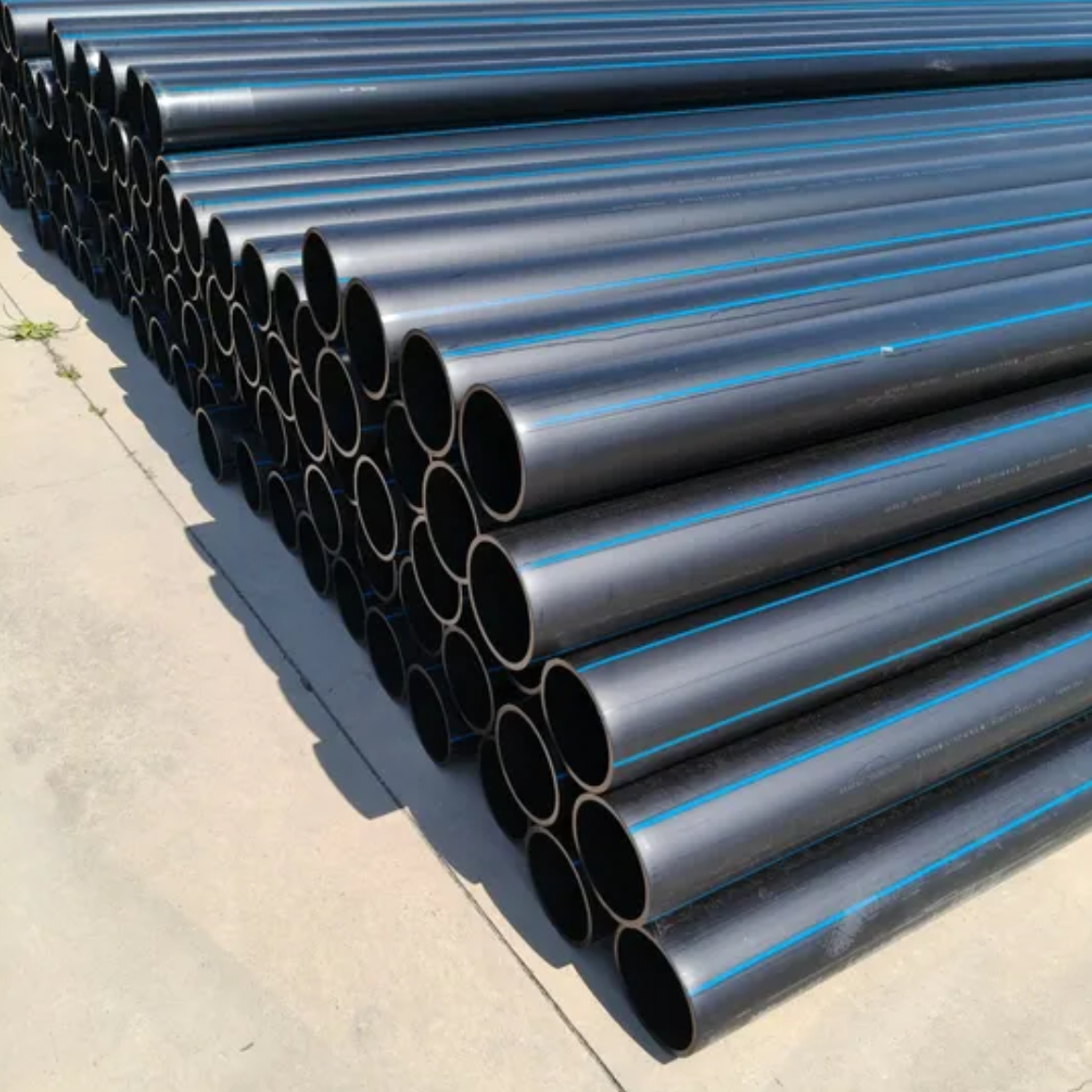
HDPE conduit pipe is a type of strong plastic pipe used mainly for electrical wiring and communication cables. It stands for  High-Density  Polyethylene, which is tough and flexible. This kind of pipe is known for protecting wires from damage. SANJIE makes  HDPE  conduit pipes that are reliable and designed to meet  different project needs. Whether you are  working on a small  home project or a big  commercial job, knowing how to choose the right HDPE conduit pipe can make a big difference in how well the project goes.

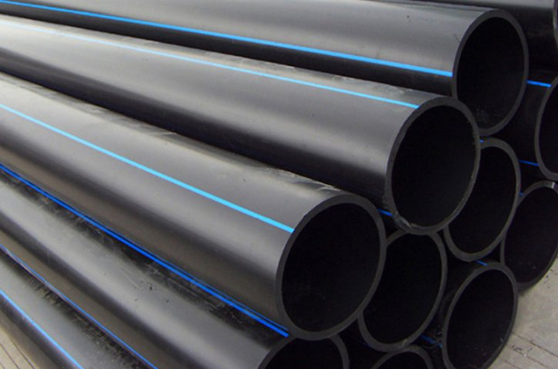
When picking the right HDPE conduit pipe, you must think about several  important factors. First, consider the size  of the pipe. HDPE conduit  comes in  different  sizes, so you need to know what size will fit your wires or cables. If your project needs to carry many wires,  a bigger pipe may be best. SANJIE offers various sizes to help you find  what works.  Next, think about the environment where the pipe will be placed. Will it  be underground or above ground? If it is underground, the  pipe needs to be strong enough to withstand the weight of the soil and any heavy equipment above it. HDPE pipe is great  for this because it's durable and can handle pressure  well. You might also consider using our HDPE Irrigation Pipe PE100 for agricultural projects.
How to Choose the Right HDPE Conduit Pipe for Your Project Needs

The temperature is another important  factor. HDPE pipes can work well in different temperatures, but if you live in a very hot or cold area, make sure  the pipe you choose  can handle those  conditions. Additionally, look for pipes that are UV-resistant if they will be  exposed  to sunlight for a long time. This helps prevent the pipe from breaking down over time. Another thing to keep in mind is the installation process. Some HDPE conduits are easier to install than others. If you are doing the work  yourself, you might  want to choose a pipe  that doesn’t  require special tools. Lastly, make sure to  check for any certifications or standards. Pipes that meet certain  standards ensure quality and safety. SANJIE’s HDPE conduit pipes are made to meet industry standards, providing you  peace of mind that you are using a safe and reliable product. If you're looking for a flexible solution, consider our HDPE Coil Pipe PE100.

Temperature changes can also affect HDPE  pipes. In  very hot or cold weather, the  pipes may expand or contract. This can cause  stress on the joints, leading to leaks. To avoid this, it’s a good idea to leave some room for  expansion during installation. Lastly, ensure that the wires inside the conduit are compatible  with the HDPE material. Some wires might not work well with certain types of plastic. It’s best to check the specifications before you start. SANJIE is here to help you with any questions about our HDPE conduit pipes, so you can  have a successful project without these common issues.

Frequently Asked Questions

What is HDPE conduit pipe used for?

HDPE conduit pipe protects electrical and communication cables, supports underground and aboveground routing, and is suitable for municipal, energy, mining, and infrastructure projects requiring durable, corrosion-resistant conduits.
We offer a range of diameters, wall thicknesses, and coil or rigid lengths. Custom sizes and configurations are available to meet project specifications and smart pipeline integration needs.
Yes. Our HDPE conduit systems are manufactured under quality control and are ISO and CE certified to meet international standards for performance and safety.
Absolutely. We provide tailored solutions including material grades, color coding, markings, fittings, and smart pipeline options to match municipal, energy, mining, and industrial requirements.
We use high-quality polymer formulations and controlled manufacturing to ensure chemical and corrosion resistance. Combined with proper installation and fittings, this delivers long service life and low maintenance.

Get a Free Quote

Our representative will contact you soon.
Email
Name
Mobile
Company Name
Requirements
0/1000

Related product categories

What Are the Common Usage Issues with HDPE Conduit Pipe?

HDPE conduit pipe is a special type  of  piping  that is  perfect for protecting electrical wires. “HDPE” stands  for high-density  polyethylene, which is a strong and durable  plastic. This kind of pipe  is made to  withstand tough  conditions. It can handle extreme temperatures, heavy  rain, and even  strong impacts.  This is important because  electrical  wires  need to be safe from damage. If  a  wire gets damaged, it  can cause power outages or even fires.


How HDPE Conduit Pipe Enhances Durability in Electrical Applications

Using HDPE conduit pipe helps  keep wires safe  in many  places. For  example, in construction sites or underground  areas, there  are  many risks. Heavy  machinery, digging, or even  weather can harm regular pipes. But HDPE  conduit pipes are made to  be tough. They can bend without breaking,  which is  important  if the ground shifts  or if  there is pressure from above. This flexibility allows them to  stay  strong in many  different situations.


How to Properly Install HDPE Conduit Pipe for Optimal Performance

Another  way HDPE conduit  pipe  saves  money is  through  its low  maintenance.  After  they are installed, these pipes do not need much  care. You do not have  to worry about rust  or corrosion, which can happen  with metal  pipes. This means you won’t have  to spend money  on fixing or replacing parts  often.  With SANJIE HDPE conduit pipes, you can trust that they  will  keep working well for years without needing a lot of attention.

Get a Free Quote

Our representative will contact you soon.
Email
Name
Mobile
Company Name
Requirements
0/1000